Centre de référence · Centre de Diagnostic Rapide AP-HP
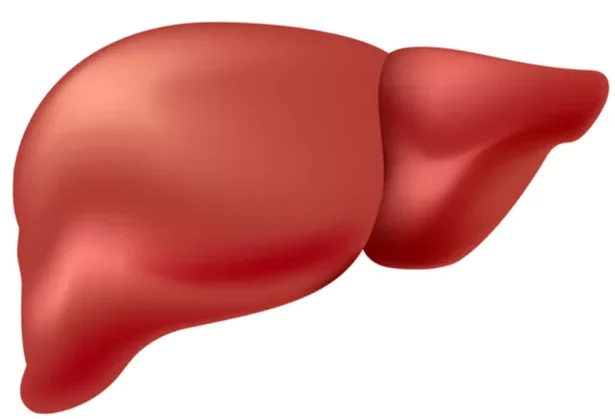
Maladies aiguës et chroniques du foie et cancers primitifs du foie
Le service d’hépatologie de l’hôpital Avicenne prend en charge les hépatopathies aiguës et chroniques et les tumeurs primitives du foie, en lien avec l’anatomopathologie, la radiologie interventionnelle et les centres experts de l’AP-HP.
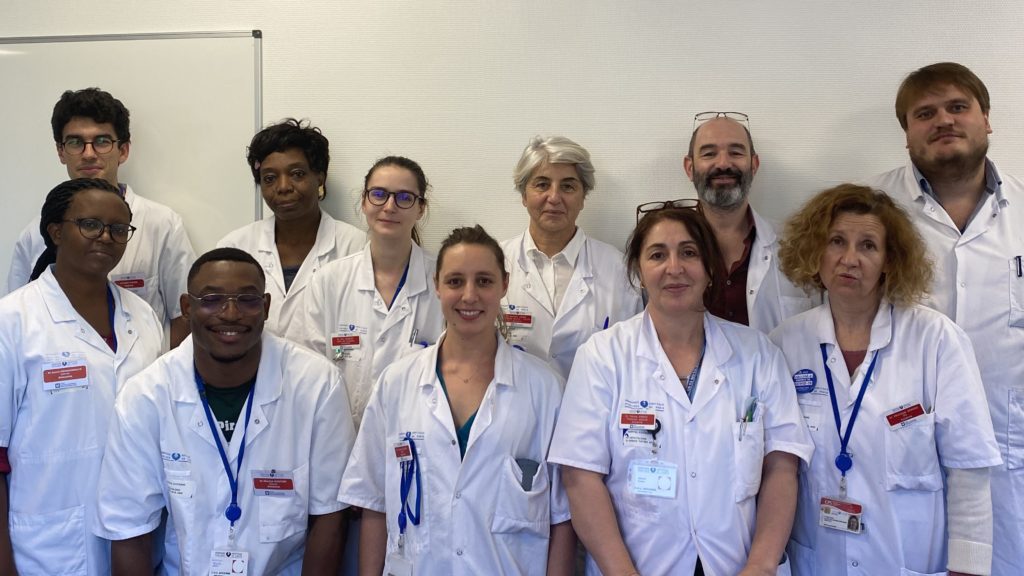
SOS foie · Patients
Obtenir rapidement une consultation
Moins d’un mois pour une maladie chronique ou aiguë du foie
48 heures pour une tumeur primitive du foie
SOS foie · Professionnels
Joindre un hépatologue
Avis téléphonique par un hépatologue du service
Prise en charge rapide des hépatopathies chroniques et des tumeurs primitives du foie
Notre activité clinique et de recherche
Notre service travaille en coordination avec l’anatomopathologie, la radiologie interventionnelle et la plateforme de recherche biologique de l’hôpital Avicenne, et avec les services experts de l’AP-HP pour la chirurgie et la transplantation hépatique.
Centre de référence pour la prise en charge des tumeurs primitives du foie et des maladies aiguës ou chroniques du foie de toutes origines.
Carcinome hépatocellulaire
Cholangiocarcinome
Cancers rares primitifs du foie
Adénome hépatocellulaire
Cirrhose
Hépatites virales
Maladies auto-immunes et métaboliques
Actualités du service
Nouveau · À partir du 7 décembre 2026
RCP nationale cancers primitifs rares du foie et tumeurs hépatiques bénignes complexes
Réseau PAN-TOGETHER (INCa) · coordonnée par le service d’hépatologie de l’hôpital Avicenne · deux séances par mois en visioconférence.
Octobre 2026 · Soirée du service
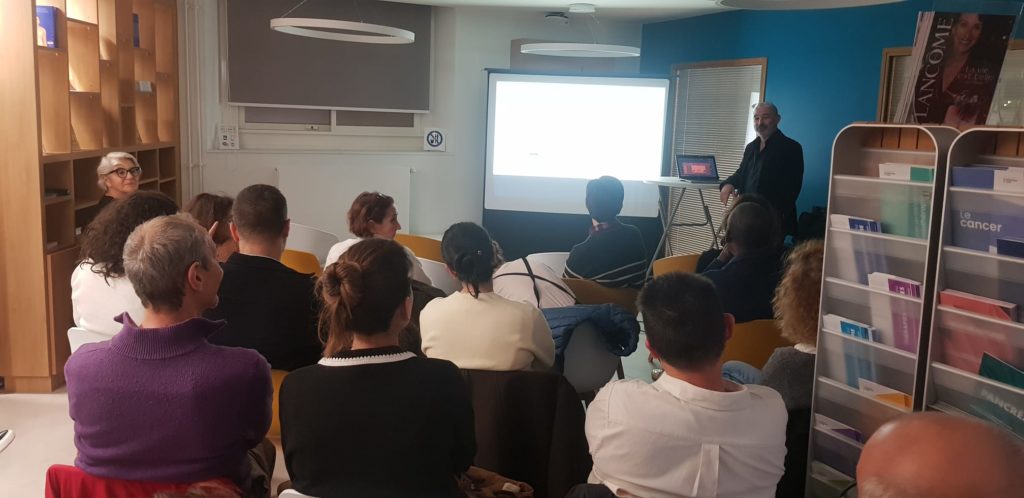
Soirée du service d’hépatologie d’Avicenne 2026
La soirée de présentation du service d’hépatologie de l’hôpital Avicenne s’est tenue en octobre 2026 à l’espace Martine Midy.

Prévues pour 2027 · Recommandations
Recommandations AFEF sur le syndrome LPAC
En cours de rédaction, publication prévue pour 2027.

Mars 2026 · Réseau national
Labellisation du Réseau national d’Excellence Clinique PANTOGETHER par l’INCa
Cancers du pancréas, tumeurs œso-gastriques et tumeurs primitives hépato-biliaires. Coordinateur : Pr Jean-Philippe Metges (Brest) ; co-coordinatrice : Pr Nathalie Ganne-Carrié (Avicenne). La 1re réunion des 3 branches s’est tenue aux JFHOD 2026, le jeudi 19 mars.

Mars 2025 · CHC
Recommandations AFEF de prise en charge du carcinome hépatocellulaire
Les recommandations, publiées en mars 2025, sont disponibles sur le site de l’AFEF.

Patients · Vidéos
Des vidéos sur les traitements du carcinome hépatocellulaire
Plusieurs vidéos destinées aux patients expliquent les différents traitements : voir les vidéos du Paris Liver Cancer Group.

Certification AP-HP
Centre de Diagnostic Rapide
Le service est certifié « Centre de Diagnostic Rapide » pour les tumeurs hépatiques primitives par l’Assistance Publique – Hôpitaux de Paris.
Dernières publications
- Neoadjuvant and adjuvant nivolumab associated with irreversible electroporation in patients with early hepatocellular carcinoma and high risk of recurrence (NIVOLEP trial).
Nahon P, Ziol M, Pan L, Portal JJ, Oberti F, Aube C, Blanc JF, Trillaud H, Merle P, Rode A, Assenat E, Guiu B, Lequoy M, Cornelis F, Bouattour M, Talib Z, Tibi A, Zeng Q, Bouda Y, Ganne-Carrié N, Sutter O, Sutton A, Guyot E, Barget N, Zucman-Rossi J, Campani C, Bamba-Funck J, Calderaro J, Nault JC, Vicaut E, Seror O.
Hepatology. 2026 Apr 8.
Background and aims: Irreversible electroporation (IRE) is a non-thermal ablation technique suited for difficult-to-treat hepatocellular carcinoma (HCC) with 1-year local recurrence (LR) rates above 50%. We hypothesized that peri-procedural immunotherapy could synergize with IRE to decrease local recurrence.
Approach and results: NIVOLEP is a multicenter phase 2 trial evaluating nivolumab combined with IRE in patients with BCLC A HCC. Patients received 2 neoadjuvant nivolumab infusions, IRE with curative intent, and 12 monthly adjuvant nivolumab infusions. Tumor biopsies were performed at baseline and during IRE. The primary endpoint was 1-year local recurrence-free survival (LRFS). In all, 62 HCC nodules (mean size: 30.0 mm) from 43 patients (mean age: 71 y, 88% male, 81% cirrhosis) were considered. All patients received neoadjuvant nivolumab; 35 underwent curative IRE (8 others: 4 IRE failures, 3 HCC progressions, 1 death). After neoadjuvant nivolumab, radiological or pathological response was observed in 24.2% and 26.3% nodules, respectively. One-year LRFS was 70.6% (95% CI: 55.3-85.9), and 2-year overall survival was 74.2% in the intention-to-treat analysis. Grade 3 or 4 adverse events related to nivolumab occurred in 2 patients; 1 patient died due to nivolumab. RNA-sequencing analysis of the tumor after neoadjuvant nivolumab showed an enrichment of pathways associated with leukocyte migration, T cell activation, and CD8+ T and B-cell infiltration associated with pathological response. Circulating protein variations were associated with pathological or radiological responses and local recurrence.
Conclusions: Neoadjuvant and adjuvant nivolumab in BCLC A HCC patients eligible for IRE lead to pathological response related to immune activation and show anti-tumoral effect.
Pour lire l’article : voir sur PubMed
- Genetic variants and the risk of renal impairment in decompensated cirrhosis: a multi-ancestry genome-wide association study.
Sanchez LO, Clària J, Galvanin C, Aguilar F, Layese R, Serra M, Jiménez-Gracia L, Nieto P, Castven D, Frankova S, Jirsa M, Tornai D, Curto-Vilalta A, Farias AQ, Papp M, Zitelli PM, Caraceni P, Zaccherini G, Goncalves LL, Alessandria C, Pereira G, Laleman W, Gadano AC, Piano S, Mattos AZ, Germanova D, Lucidi V, Soret D, Wandji LCN, Uschner FE, Torre A, Vargas V, Mendes LSC, Mookerjee RP, Benitez C, Alvares-da-Silva MR, Remmelink M, Bittencourt PL, Albillos A, Couto CA, Bañares R, Mendizabal M, Degré D, Toledo CL, Janicko M, Mazo DF, Barradas MC, Bernal W, Miranda AZL, Padilla-Machaca PM, Zipprich A, Malé-Velázquez R, Moreno C, Lyra AC, Carrilho F, Fernandez J, Trebicka J, Jalan R, Angeli P, Stefanescu H, Rautou PE, Buch S, Louvet A, Marquardt JU, Gustot T, Heyn H, Nieto JC, Arroyo V, Ganne-Carrié N, Sperl J, Moreau R, Mathurin P, Nahon P, Trépo E, CANONIC, PREDICT, ACLARA, ANRS CO12 CirVir, and CIRRAL study groups.
Lancet Gastroenterol Hepatol. 2026 Dec;11(12):1065-1080.
Background: Renal impairment is a major complication of decompensated cirrhosis and a key driver of mortality. Despite its clinical significance, the genetic architecture of susceptibility to renal impairment in this context remains largely unexplored. We conducted a multi-ancestry genome-wide association study (GWAS) to identify genetic loci associated with renal impairment in decompensated cirrhosis.
Methods: We performed a GWAS for serum creatinine levels in 3220 patients with decompensated cirrhosis across five cohorts (CANONIC [n=707], PREDICT [n=825], ACLARA [n=671], Bologna [n=272], and Brussels [n=745]); with 83% of patients having European and 17% having admixed American genetic ancestry. Findings were replicated in 1728 European patients with decompensated cirrhosis across four independent cohorts (Czech-Romanian [n=988], CirVir-CIRRAL [n=139], French-Belgian [n=294], and German [n=307]). Associations were evaluated in 3139 patients with compensated cirrhosis (EuroLiver [n=851], CirVir-CIRRAL [n=1142], and the UK Biobank [n=1146]) and 402 683 individuals from the UK Biobank with no history of cirrhosis, who served as a general population comparator. Single-cell and spatial transcriptomics mapped GWAS associations to cell types in the liver, blood, and kidney.
Findings: We identified a genome-wide significant association at the SUSD1 locus (lead variant rs2099161[C→T]; trans-ancestry-discovery β=0·16 [95% CI 0·11 to 0·21], p=4·32 × 10-10; independent replication β=0·09 [0·03 to 0·16], p=5·34 × 10-3; combined meta-analysis β=0·13 [0·09 to 0·17], p=8·31 × 10-11; I2=0%). The effect was specific to decompensated cirrhosis, with no association in compensated cirrhosis (β= -0·0003 [-0·0460 to 0·0454], p=0·99) or the general population (β= -0·005 [-0·009 to -0·002], p=3·78 × 10-3). Each additional copy of the rs2099161(C) risk allele was associated with a higher risk of kidney failure at inclusion in the ACLARA, CANONIC, PREDICT, Bologna, Brussels, Czech-Romanian, and French-Belgian cohorts (n=4390, p=6·34 × 10-4). The risk was highest in CC homozygotes compared with patients with the TT genotype (odds ratio 1·60 [95% CI 1·21 to 2·11]). A similar pattern was observed for incident kidney failure at 1 week (CANONIC cohort n=638, p=0·035, CC vs TT genotypes 2·00 [1·10 to 3·65]), and terlipressin requirement (PREDICT, ACLARA, and Brussels cohorts, n=2161, p=0·027, CC vs TT genotypes 2·06 [1·08 to 3·93]). Transcriptomic analyses identified plasmacytoid dendritic cells as the primary SUSD1-expressing cell-type with elevated expression in patients with renal impairment across compartments. Patients with renal impairment showed increased abundance of plasmacytoid dendritic cells and type-I-interferon signalling in liver and kidney tissues.
Interpretation: SUSD1 is a risk locus for renal impairment in decompensated cirrhosis, with genetic effects that appear context-dependent across cirrhosis stages and the general population. Our findings implicate the plasmacytoid dendritic cell-interferon axis as a candidate mechanism linking liver dysfunction to kidney injury.
Funding: European Foundation for the Study of Chronic Liver Failure and Horizon Europe.
Pour lire l’article : voir sur PubMed
- Clinical predictors of response to atezolizumab/bevacizumab in Child-Pugh B patients with hepatocellular carcinoma.
Odent AV, Campani C, Bouattour M, Touchefeu Y, Delhoume V, Rosmorduc O, Pascale A, An J, Lee HC, Regnault H, Thabut D, Amaddeo G, Ningararhi M, Olivier-Hourmand I, Metivier C, Ronot M, Ntandja-Wandji L, Ozenne V, Sidali S, Marra F, Hollande C, Ganne-Carrié N, Nahon P, Peron JM, Lequoy M, Sharma R, Paris Liver Cancer Group, Trepo E, Mouri S, Allaire M, Shim JH, Nault JC.
JHEP Rep. 2026 Sep;8(9):101915.
Background & aims: We aimed to identify, among patients with advanced hepatocellular carcinoma (HCC) and Child-Pugh B cirrhosis, typically excluded from clinical trials, a subgroup that may benefit from first-line atezolizumab/bevacizumab (A/B).
Methods: We conducted a retrospective international multicenter study including patients with unresectable HCC treated with first-line A/B between 2020 and 2024 across 12 centers. A cohort of Child-Pugh B patients treated with sorafenib served as a control. Baseline clinical, biological, and tumor features were correlated with radiological response, progression-free survival (PFS), and overall survival (OS).
Results: Among 1,499 patients, 246 (16.4%) had Child-Pugh B cirrhosis. Within Child-Pugh B, 72% were B7, 21.5% B8, and 6.5% B9; 73% had albumin-bilirubin (ALBI) grade 2 and 27% grade 3. Median OS and PFS were significantly shorter in Child-Pugh B (8.1 and 5.2 months, respectively) vs. Child-Pugh A (16.8 and 8.6 months, respectively; both p <0.001). Two-year OS was 20% for Child-Pugh B vs. 38% for Child-Pugh A. Child-Pugh B patients treated with A/B had longer OS than those treated with sorafenib (p = 0.002). A score combining ALBI grade 1/2 and metastatic status identified prognostic subgroups (10.3 vs. 7.9 vs. 4.2 months; p <0.0001). Improvement to Child-Pugh A occurred in 31% and was associated with recent treatment of underlying liver disease. Radiological response (hazard ratio = 0.58, p = 0.021) and liver function improvement (hazard ratio = 0.59, p = 0.006) correlated with reduced mortality.
Conclusions: Although Child-Pugh B patients have poorer survival, a subgroup, those with ALBI grade 1/2 and no extrahepatic metastasis, can derive meaningful benefit from A/B therapy. Improving underlying liver disease may contribute to better outcomes.
Impact and implications: Child-Pugh B patients with advanced HCC are systematically underrepresented in clinical trials, creating a critical evidence gap for a population frequently encountered in real-world practice. This large multicenter study shows that a subset of these patients, those with ALBI grade 1/2 and without extrahepatic metastases, can have clinically significant benefit from first-line A/B, providing a practical prognostic tool to guide patient selection. Moreover, the association between treatment of the underlying liver disease and Child-Pugh class improvement suggests that optimizing hepatic function alongside systemic therapy may represent an actionable strategy to improve outcomes, warranting prospective validation.
Pour lire l’article : voir sur PubMed
- Laparoscopic or Open Liver Resection Versus Multibipolar Radiofrequency Ablation of HCC Within Milan Criteria on Cirrhosis.
Hobeika C, Cauchy F, Rode A, Salamé E, Scatton O, Schwarz L, Papadopoulos P, Hocquelet A, Manichon AF, Aubé C, Oberti F, Corte AD, Luciani A, Gay S, Lesurtel M, Lim C, Nahon P, Ganne-Carrié N, Blaise L, Soubrane O, Sutter O, Brustia R, Barbier L, Laurent A, Seror O, Nault JC.
Liver Int. 2026 Aug;46(8):e70802.
Background & aims: We compared multibipolar radiofrequency ablation (mbpRFA) with open liver resection (OLR) or laparoscopic liver resection (LLR) in patients with HCCs within Milan.
Methods: This multicenter cohort study included patients treated by mbpRFA, OLR or LLR for HCC within the Milan Criteria, developed on advanced fibrosis in nine French centres between 2008 and 2018. Adjustments on HCC size/number, gender, age, ASA, HCV, HBV, metabolic syndrome, chronic alcohol intake, MELD score, serum AFP level, APRI score, cirrhosis, significant portal hypertension and HCC localization were performed using multivariable regressions with centre-robust variance and propensity score-based matching (3:1 nearest-neighbour with calliper < 0.1; effective ratios 2.18:1 and 2.43:1).
Results: 1040 patients were included (median age: 64 years; male 82.9%), with 606, 266 and 168 treated by mbpRFA, LLR and OLR. Most HCCs were solitary (84.8%) and on cirrhosis (89.2%). In months, the follow-up was 50.2 (95% CI: 45.3, 54.3), 43.3 (95% CI: 40.0, 48.6) and 47.4 (95% CI: 40.8, 58.7) for mbpRFA, LLR and OLR patients. After matching, OLR patients had similar overall survival (OS) (HR = 1.05 [CI 95% = 0.65, 1.69], p = 0.853), transplant-free survival (TFS) (HR = 0.91 [CI 95% = 0.56, 1.47]; p = 0.690) or recurrence-free survival (RFS) (HR = 0.99 [CI 95% = 0.69, 1.43]; p = 0.968) compared to mbpRFA patients but with more severe adverse events (RR = 2.58 [CI 95% = 1.16, 5.71]; p = 0.02) and mortality (RR = 4.51 [CI 95% = 1.16, 17.59]; p = 0.03). After matching, LLR patients had better OS (HR = 0.57 [CI 95% = 0.38, 0.88], p = 0.01) but similar TFS (HR = 0.77 [CI 95% = 0.55, 1.1]; p = 0.152) and more severe adverse events (RR = 2.61 [CI 95% = 1.15, 5.96]; p = 0.022) compared to mbpRFA patients. LLR patients had a better RFS (HR = 0.7 [CI 95% = 0.53, 0.91]; p = 0.009) than mbpRFA patients. When distant-only recurrences were considered in the mbpRFA patients, there was no significant difference in RFS (p = 0.087). The LLR survival benefit was consistent across pre-specified subgroups, with no interaction surviving correction for multiple testing.
Conclusions: Minimally invasive modalities (LLR or mbpRFA) should be prioritized when treating early HCC. LLR maximizes oncological outcomes, but mbpRFA maintains optimal TFS with less morbidity.
Pour lire l’article : voir sur PubMed
- Long-term Survival and Cure Fraction in Patients with Advanced Hepatocellular Carcinoma under Immunotherapy in Randomized Controlled Trials and Real-world Data.
Campani C, Shim JH, Bouattour M, Touchefeu Y, Delhoume V, Rosmorduc O, Pascale A, An J, Lee HC, Regnault H, Thabut D, Amaddeo G, Ningarhari M, Ollivier-Hourmand I, Métivier C, Ronot M, Ntandaja-Wandji L, Ozenne V, Sidali S, Marra F, Hollande C, Ganne-Carrié N, Nahon P, Peron JM, Lequoy M, Sharma R, Paris Liver Cancer Group, Allaire M, Nault JC.
Clin Cancer Res. 2026 Jul 17;32(14):3060-3072.
Purpose: Immune checkpoint inhibitors (ICI) can induce long-term survival and even cancer cure in several cancers. Mixture cure models (MCM) estimate the fraction of long-term survivors and cured patients but have not been applied in hepatocellular carcinoma (HCC).
Experimental design: We identified phase III randomized trials of first-line ICI in advanced HCC with mature follow-up (≥30 months) and analyzed a cohort of patients with HCC treated with atezolizumab-bevacizumab. After reconstructing Kaplan-Meier curves, MCMs estimated the long-term survivors’ fraction [overall survival (OS)] and cure fractions [progression-free survival (PFS)].
Results: In HIMALAYA (median follow-up of 60 months), long-term survival was 12.8% [95% confidence interval (CI), 8.5%-18.6%] with durvalumab-tremelimumab versus 5.2% (95% CI, 2.6%-10.2%) with sorafenib; the cure fraction was not assessable. In CheckMate 9DW (median follow-up: 35.2 months), long-term survival was 8.7% (95% CI, 0.2%-81.3%) versus 4.1% (95% CI, 0.1%-66.1%), and cure fractions were 17.8% (95% CI, 12%-25.8%) versus 3.5% (95% CI, 0.7%-16.7%) for nivolumab-ipilimumab and sorafenib/lenvatinib, respectively, with long-term OS estimates remaining exploratory due to limited late numbers at risk. In RATIONALE-301, long-term survival was 25.2% (95% CI, 19.2-32.2) with tislelizumab versus 15.4% (95% CI, 10-22.8) with sorafenib. The IMbrave150 trial was not analyzed due to insufficient follow-up (15.6 months). Among a clinical cohort of 1,581 patients treated with atezolizumab-bevacizumab (median follow-up: 34.7 months), long-term survival was 12.3% (95% CI, 9.3%-16.1%), and the cure fraction was 7.9% (95% CI, 6.3%-9.8%). In 1,187 patients meeting IMbrave150 criteria, long-term survival reached 15.4% (95% CI, 10.6%-18.5%), and the cure fraction was 9.1% (95% CI, 7.3%-11.4%). Albumin-bilirubin score and hepatitis C predicted long-term survival, and albumin and hepatitis C predicted cure.
Conclusions: Across trials and real-world data, ICI combinations achieve long-term survival in 10% to 15% of patients with advanced HCC, with cure fractions of 7% to 9%.
Pour lire l’article : voir sur PubMed